Level 3 Diploma in
Sports Massage Therapy
Your Journey to Becoming a Qualified Sports Massage Therapist
Gain the specialist skills and confidence to prevent, manage, and treat sports-related injuries — helping clients recover, perform, and move better.
The VTCT Level 3 Diploma in Sports Massage Therapy is designed for learners who want to work with athletes, active individuals, and rehabilitation clients.
You’ll develop the practical skills, scientific understanding, and professional standards required to assess, plan, and deliver sports massage treatments safely and effectively.
You’ll learn how to:
Assess posture, soft tissue condition, and injury risk
Deliver pre-, intra-, and post-event massage treatments
Use advanced massage techniques to reduce tension and improve mobility
Provide professional client consultations and aftercare
Maintain health, safety, and ethical practice within a clinical or sporting environment
Level:
3 Diploma
Total Qualification Time:
370 hours (220 guided)
Credits:
37
Minimum Age:
16+
Assessment:
Portfolio of evidence, observation & written papers
Study Mode:
Classroom and practical-based
Who Is It For?
This qualification is ideal for:
Learners aged 16+ looking to start a career in sports massage
Personal trainers, coaches, or therapists expanding their skill set
Those interested in working within sports, fitness, or rehabilitation environments
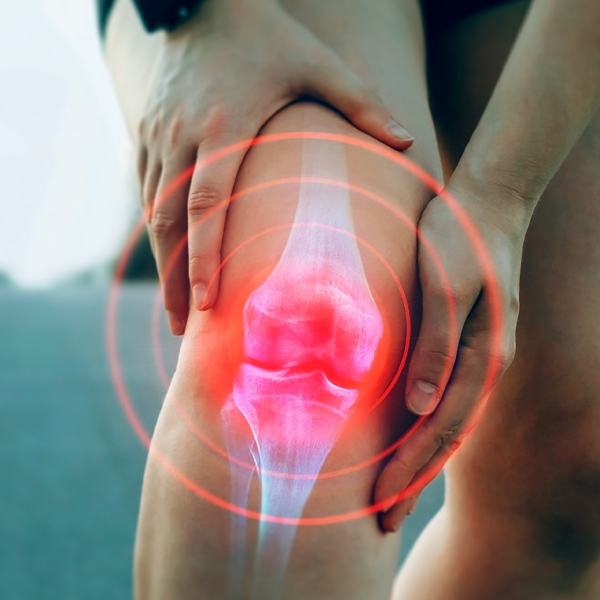
Course Content
You’ll complete six mandatory units plus optional specialist modules to refine your skills and interests.
You’ll complete five mandatory units, covering both theory and hands-on practice.
Mandatory Units:
Anatomy and Physiology for Sports Massage
Principles of Health and Fitness
Understand the Principles of Soft Tissue Dysfunction
Professional Practice in Sports Massage
Provide Sports Massage Treatments

How You’ll Be Assessed
Assessment combines practical, written, and portfolio-based evidence to ensure full competence in both theory and practice.
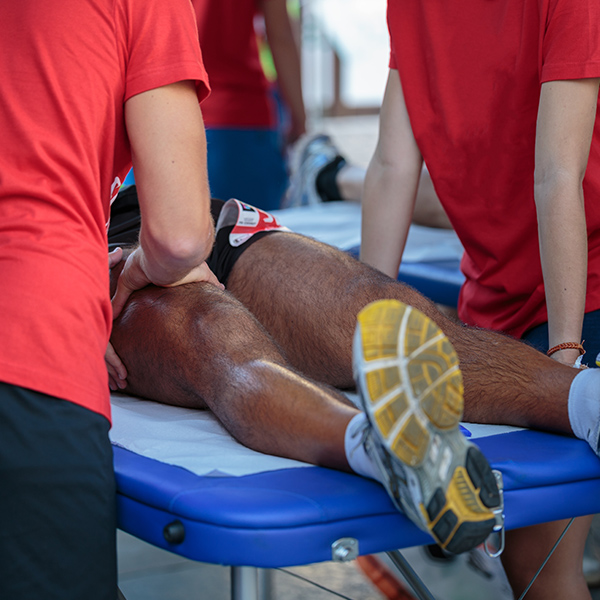
Assessor observations during client treatments
Written and oral questioning
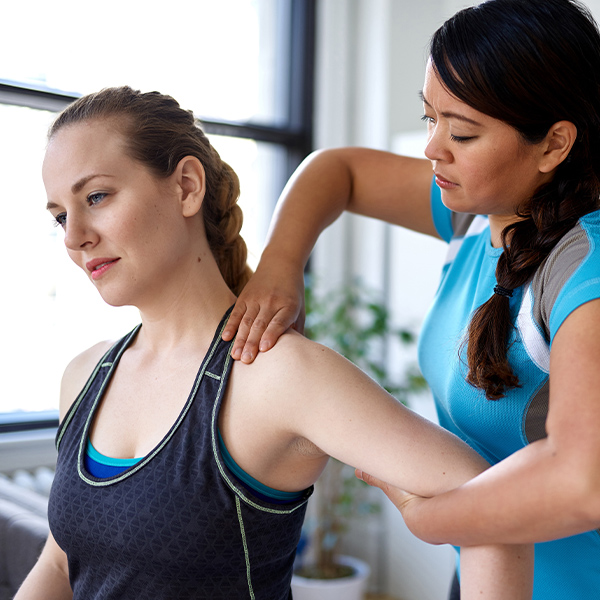
Case studies and assignments
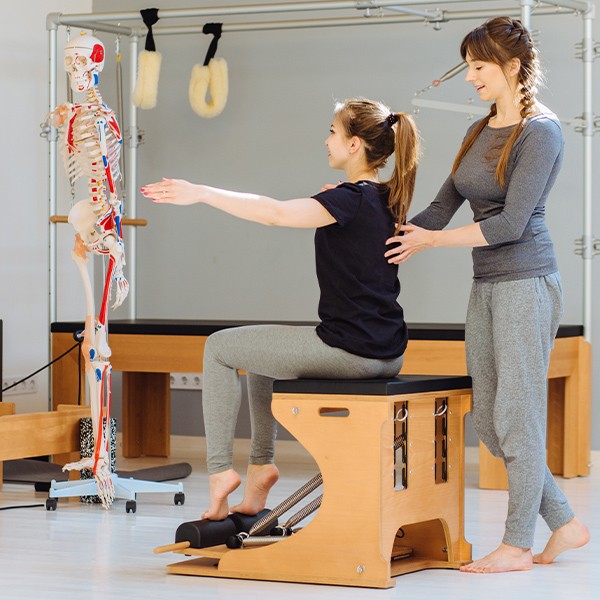
External written exams (Anatomy & Physiology)

Witness statements and assessor feedback
Progression & Careers
After qualifying, you can work as:
After qualifying, you can work as:
Sports Massage Therapist
Sports or Fitness Professional
Rehabilitation or Performance Specialist
Self-Employed or Clinic-Based Therapist
Progression routes include:
Level 4 Certificate in Sports Massage Therapy
Level 4 Certificate in Sports Science or Advanced Soft Tissue Techniques
Higher-level study in Physiotherapy, Sport Rehabilitation, or Exercise Science
Entry Requirements
- No prior qualifications required
- Learners must be aged 16 or above
- Interest in anatomy, health, and performance recommended
Why Choose Accacia Training?
- Train with experienced sports massage and fitness professionals
- Learn in a practical, hands-on environment
- Access real clients and case study opportunities
- Develop clinical confidence and employable skills
- Gain a recognised VTCT qualification trusted by employers nationwide
Support Hub
Do I need previous experience?
No, but a genuine interest in fitness, anatomy, and injury prevention helps.
Is this qualification industry recognised?
Yes — it’s a VTCT qualification recognised by professional bodies across the UK.
What kind of clients will I work with?
You’ll gain experience working with athletes, active individuals, and clients recovering from injury or strain.
What can I do after qualifying?
You can work freelance, in sports clubs, fitness centres, or alongside physiotherapists and rehabilitation specialists.